
Ask about their experience.
Invite feedback after a successful transaction, while the visit is still fresh. Focus on the parts of the experience your team can act on.

Survey & feedback / Singapore
The right questions.
A clearer next step for your business.
Every customer experience can teach you something. Rewardly Survey & Feedback gives customers a direct way to tell you what worked, what disappointed them and what would make their next visit better.
Turn honest opinions into practical improvements.
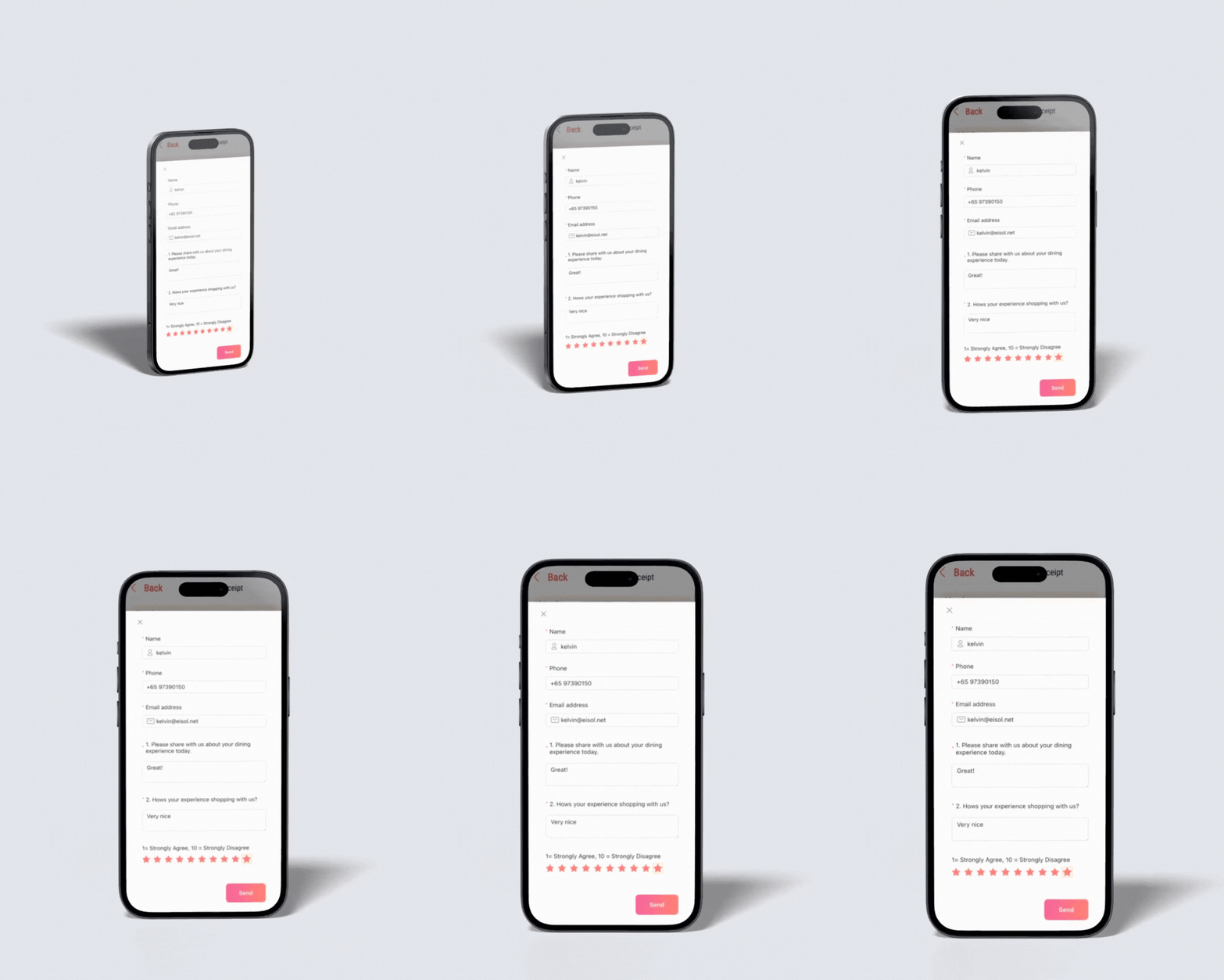 View animation
Your questions. Your measurement goals.
Customise your questions and answer choices around your business. Decide what you need to learn before you ask, so the responses can guide a useful decision.
| What you want to understand | A focused question | What to look for |
|---|---|---|
| Food experience | How satisfied were you with your meal? | Changes in satisfaction after a menu or preparation update. |
| Service experience | How satisfied were you with the service today? | Repeated concerns that point to coaching or process changes. |
| Waiting experience | How satisfied were you with the time taken to receive your order? | Whether customers notice an improvement after a workflow change. |
Keep the wording and answer scale consistent when comparing responses over time. A survey reflects the customers who reply; it is not a complete picture of every guest.
Make sharing feel worthwhile
Motivate customers to help you improve by making the purpose clear and the request manageable. Feedback should feel like a conversation worth having, not another task after a meal.
Invite feedback after a successful transaction, while the visit is still fresh. Focus on the parts of the experience your team can act on.
A short set of useful questions is easier to complete than a long survey with no clear purpose. Explain how their input helps the business do better.
Thank customers for thoughtful responses, including criticism. If you offer an incentive, make it a thank-you for participation—not a condition for a positive score.
An invitation you could use
“How was your visit? Tell us what worked and what we could do better. Your honest feedback helps us improve the next experience.”
Example wording for your team. No reward or automatic reward issuance is implied.
Make room for the difficult conversation
Give unhappy customers a welcoming, direct channel to explain what happened. Listening early gives your team a chance to understand the problem and respond before frustration escalates on social media.
A customer who feels heard may give you another chance. Take the experience seriously, acknowledge its impact and offer a practical next step rather than leaving the concern unanswered.
From an opinion to an improvement
Use feedback ratings as a starting point, then turn recurring themes into specific actions. A score is most useful when your team knows what to do with it.
Consider repeated themes alongside individual experiences. Read low scores with care instead of looking only at an average.
Identify one issue the team can improve, such as clearer ordering guidance or a more consistent service routine.
Agree who will make the change and when. Tell customers what you have improved where it is appropriate.
Use comparable questions to see whether responses improve. Keep listening as expectations and your business evolve.
This is a recommended team workflow, not a claim of automated case assignment, alerts or sentiment analysis.
Build a brand that listens
Let’s shape a feedback programme around the things your customers care about.
Good questions
Yes. Rewardly lets you customise questions and answer choices, so the survey can focus on what matters to your business. Define the decision you want to make before choosing what to ask.
Choose focused questions and clear answer options. Keep wording and scales consistent when comparing periods, and consider response volume and who chose to reply. A survey should inform a decision, not be treated as a guaranteed or complete measure of every customer’s experience.
Rewardly supports gathering feedback following successful transactions. Invite customers while their experience is still fresh and explain why their response will be useful.
Keep the request short, ask relevant questions and show customers that you act on what they share. Thank them for honest participation, including negative feedback. Any incentive should not depend on a favourable rating.
A direct feedback channel gives customers a way to raise concerns with your business. A timely, thoughtful response can support service recovery before frustration grows. It does not guarantee that the customer will not share their experience publicly.
No. It provides another way to speak with your business. Customers remain free to post public reviews or share on social media; the goal is to listen and resolve problems, not suppress criticism.
Read the concern carefully, acknowledge the experience and decide on a practical next step. Where a reply is possible and appropriate, explain what you will do and follow through. Look for recurring issues that need a change in service or operations.
Show customers that their opinions lead to action. Recognise what went well, address recurring problems and communicate improvements where appropriate. Consistent listening and follow-through can give customers a reason to trust your business again.